
What is Short QT Syndrome (SQTS)?
Short QT Syndrome is an exceedingly rare, inherited cardiac channelopathy characterized by an abnormally shortened QT interval on an electrocardiogram (ECG) (see Figure 1). This brief interval indicates that the cardiac ventricles repolarize (recover their electrical balance) acceleratedly. This rapid electrical recovery can predispose the heart to severe arrhythmias, including atrial fibrillation or life-threatening ventricular tachycardias. The condition is transmitted in an autosomal dominant inheritance pattern, meaning an affected parent has a 50% probability of passing the genetic variant to each offspring (see Figure 2).
What Causes It?
SQTS is caused by pathogenic mutations (genetic variants) in genes that regulate the heart’s ion channels (e.g., KCNH2, KCNQ1, KCNJ2). These mutations essentially cause the exact opposite electrical physiological disruption seen in Long QT Syndrome.
How is it Diagnosed?
Diagnosis is established by a cardiologist based on the following criteria:
- Electrocardiogram (ECG): Where the corrected QT interval (QTc) is typically prolonged below 330–340 ms.
- Personal Medical History: Documentation of symptoms such as episodes of unexplained syncope (fainting) or severe dizziness.
- Family History: If an individual is diagnosed, comprehensive clinical and genetic screening of first-degree relatives is imperative.
What are the Treatment Options?
Management is strictly individualized based on the patient’s sudden cardiac death risk profile:
- Pharmacological Therapy: The primary medication utilized to prolong the QT interval and suppress arrhythmias in this specific syndrome is quinidine.
- Implantable Cardioverter-Defibrillator (ICD): This device constitutes the primary and most effective therapeutic strategy for patients with a history of sustained high-grade arrhythmias or those stratified at high risk.
Lifestyle and Daily Management Guidelines
- Always notify every healthcare provider you visit regarding your condition to systematically prevent the administration of medications known to further shorten the QT interval.
- In the event of a high fever, severe vomiting, or prolonged diarrhea, contact your physician immediately. The secondary loss of fluids and key electrolytes (potassium, calcium) can profoundly compromise cardiac electrical stability.
- If you experience abnormal chest sensations (such as palpitations or a fluttering feeling) or acute dizziness, seek emergency medical attention immediately.
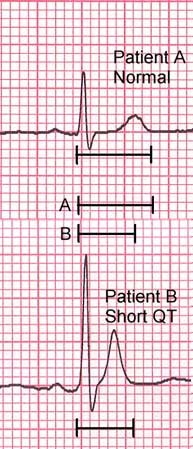
Figure 1. Short QT interval on the electrocardiogram (ECG). Comparison between normal and pathological
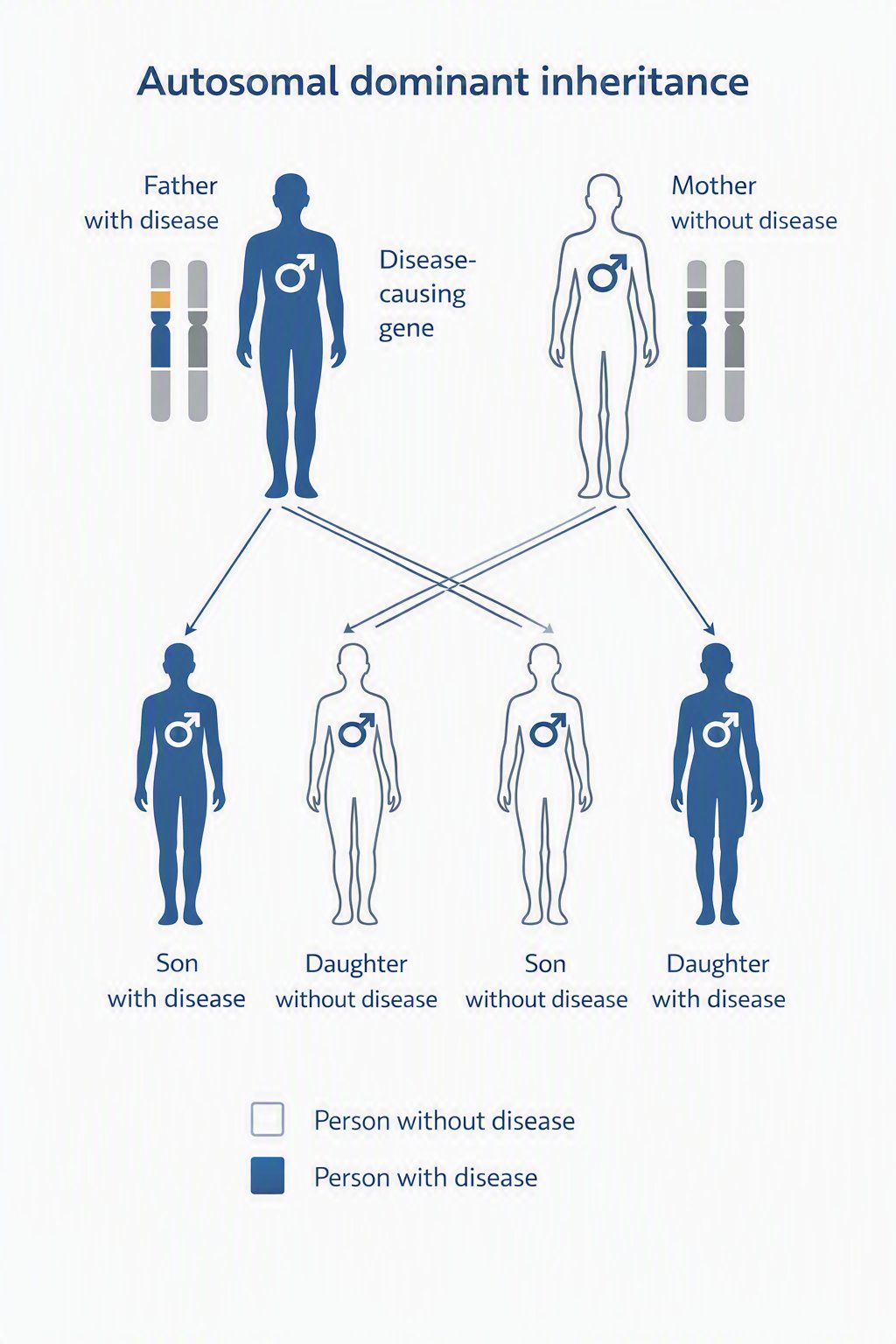
Figure 2. Gene inheritance based on autosomal dominant pattern.