
Brand Name: Ranexa
Active Substance: Ranolazine
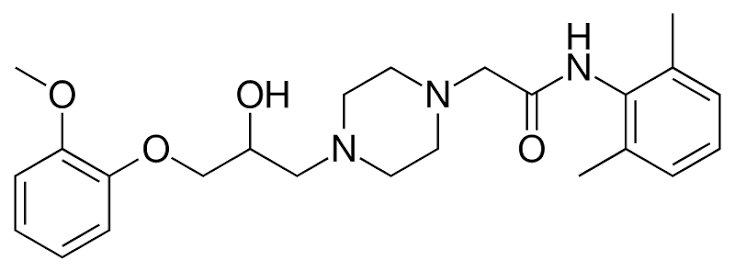 Indications and Clinical Use
Ranolazine is a cardiovascular agent approved for the management of chronic stable angina (chest pain resulting from myocardial ischemia). It is typically administered as an adjunctive/add-on therapy when first-line conventional agents (such as beta-blockers) fail to adequately control symptoms.
Off-Label Antiarrhythmic Activity
Although not officially indicated as an antiarrhythmic drug, ranolazine possesses distinct electrophysiological properties. Recent clinical data indicate that it may reduce the burden of atrial fibrillation episodes, as well as other supraventricular and ventricular tachycardias.
Warnings and Precautions (Adverse Effects)
- Electrocardiographic QT Prolongation: Ranolazine administration can induce prolongation of the QT interval on the surface electrocardiogram (ECG).
- Risk of Torsades de Pointes: While QT prolongation is theoretically linked to the development of life-threatening ventricular tachyarrhythmias (such as Torsades de Pointes), its occurrence with ranolazine is exceedingly rare due to the drug’s unique mechanism of action.
- Common Daily Side Effects: The most frequently reported mild adverse reactions include dizziness, headache, nausea, and constipation.